5 Common Reasons Your Check Engine Light Comes On (And What to Do)
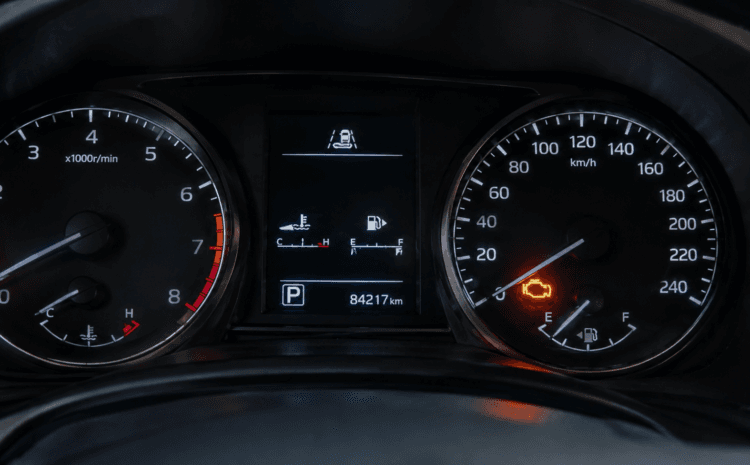
Seeing the check engine light illuminate on your dashboard can be worrying, especially when your car seems to be running normally. Is it a minor issue, or could it be a sign of a more serious engine problem?
The check engine light is part of your vehicle’s onboard diagnostic system. It alerts you when the system detects a potential issue with the engine, emissions system, or related components. Although some causes are relatively simple to fix, others require professional diagnosis to prevent further damage.
Understanding the most common reasons for this warning can help you make informed decisions about your vehicle and avoid unnecessary repair costs.
5 Common Reasons Your Check Engine Light Comes On
1. A Loose or Damaged Gas Cap
One of the simplest causes is a loose, cracked, or damaged gas cap. Your vehicle’s fuel system is designed to contain fuel vapors, and a cap that does not seal properly can trigger the warning light.
What to do: Check that the gas cap is securely tightened. If the light remains on, the cap or another part of the evaporative emissions system may need inspection.
2. Faulty Oxygen Sensor
The oxygen sensor monitors the amount of oxygen in the exhaust gases, helping the engine control module adjust the air-fuel mixture. When this sensor stops working correctly, your vehicle may consume more fuel, produce increased emissions, or experience reduced performance.
Ignoring a faulty sensor can also contribute to damage to other emissions components.
3. Worn Spark Plugs or Ignition Coils
Spark plugs ignite the air-fuel mixture inside the engine cylinders, while ignition coils provide the electrical energy needed to create that spark. When these components wear out or fail, the engine may misfire.
You might notice rough idling, difficulty accelerating, unusual vibrations, or increased fuel consumption.
If the check engine light flashes while the engine is running, a serious misfire may be occurring. Reduce driving and stop in a safe place. Arrange prompt professional assistance, as continued driving can damage the catalytic converter.
4. A Malfunctioning Mass Airflow Sensor
The mass airflow sensor measures how much air enters the engine so the vehicle can deliver the appropriate amount of fuel. If the sensor becomes dirty or develops a fault, the engine may not operate efficiently.
Common symptoms include hesitation during acceleration, rough idling, reduced power, and poor fuel economy. A diagnostic inspection can help determine whether the sensor is faulty or another issue is affecting airflow.
5. Catalytic Converter Problems
The catalytic converter helps reduce harmful pollutants in your vehicle’s exhaust. When it becomes damaged or stops functioning efficiently, the check engine light may illuminate.
Other warning signs can include reduced engine power, poor acceleration, or unusual exhaust odors. Because catalytic converter problems can be expensive to repair, identifying the underlying cause early is important. Replacing the converter without addressing the original problem may not resolve the issue.
Is It Safe to Drive With the Check Engine Light On?
It depends on how the light behaves and how your vehicle is performing.
If the light stays on continuously and the car drives normally, the issue may not require an immediate emergency stop, but you should arrange a diagnostic inspection as soon as possible.
However, if the light flashes or the vehicle shakes, loses power, overheats, or produces unusual smells, pull over safely and seek professional assistance. Continuing to drive under these conditions could worsen the damage.
Never assume the problem is minor simply because the car still starts and runs.
How Can You Find Out What Is Wrong With Your Car?
Because several different problems can trigger the same warning light, guessing which part needs replacement can lead to unnecessary expenses.
A professional diagnostic scan retrieves trouble codes stored by the vehicle’s onboard computer. These codes help identify the system reporting a problem, but additional testing may be necessary to confirm the exact cause.
Addressing the underlying issue rather than simply clearing the warning light helps you make better repair decisions and protect your vehicle’s performance.
Professional Check Engine Light Diagnostics in Springfield, VA
If your Check Engine Light is on, don’t wait for the problem to become more serious.
At VCNG Auto Repair in Springfield, Virginia, we provide professional diagnostic and repair services for a wide range of vehicle makes and models, including domestic, Asian, and European vehicles.
Our diagnostic services include:
- Check Engine Light diagnosis.
- Engine misfire diagnosis.
- Oxygen sensor and air-fuel ratio sensor testing.
EVAP leak detection.
Fuel system diagnostics.
Catalytic converter and emissions diagnostics.
Camshaft timing and Variable Valve Timing (VVT) diagnosis.
Electrical and mechanical engine diagnostics.
We proudly serve drivers throughout Springfield, Fairfax, Alexandria, Annandale, Burke, Lorton, and surrounding Northern Virginia communities.
Don’t Ignore Your Check Engine Light
Whether the problem is a loose gas cap, a faulty sensor, an ignition issue, or a more complex engine problem, an accurate diagnosis is the first step toward fixing it.
Taking care of the issue early can help prevent additional damage, avoid unnecessary parts replacement, and keep your vehicle operating safely and efficiently.
VCNG Auto Repair – Springfield, VA
Professional Automotive Diagnostics & Engine Repair
Check Engine Light On? Let Us Find the Cause.