Transmission Service: When to Change Fluid & Filter
Your vehicle’s transmission plays a fundamental role in transferring power from the engine to the wheels and allowing the vehicle to shift gears properly. To keep it operating as it should, it is important to understand its maintenance requirements and pay attention to any warning signs.
But how often should you service your transmission? Is it necessary to change the fluid and filter? What happens if you have never had this maintenance performed?
In this guide, we explain what you need to know to care for your vehicle’s transmission and avoid neglecting an essential component of your car.
1. When Should You Service Your Transmission?
One of the most common questions drivers ask is: How many miles should you drive before getting transmission service?
There is no single maintenance interval that applies to every vehicle. The frequency depends on the make, model, year, transmission type, and driving conditions.
To give you a general reference, here are some examples from specific manufacturer maintenance schedules:
Vehicle or specific maintenance program | Recommended interval |
|---|---|
BMW 2 Series Gran Coupe — transmission fluid replacement under the 2026 BMW maintenance program | Approximately 60,000–78,000 miles, according to the instrument cluster indicator. BMW USA |
2025 Toyota RAV4 — automatic transmission fluid under specified severe operating conditions | Replacement indicated at 55,000 miles in the maintenance schedule. Toyota Assets |
2025 Toyota Camry — automatic transmission fluid under towing or heavy-loading conditions | Replacement indicated at 120,000 miles in the maintenance schedule. Toyota Assets |
2024 Honda Integra — CVT transmission under frequent low-speed mountain driving | Every 25,000 miles. Honda |
2024 Honda Integra — manual transmission under frequent low-speed mountain driving | Every 37,500 miles. Honda |
2026 Honda Civic — CVT transmission under frequent low-speed mountain driving | Every 25,000 miles. Honda |
Important: These are examples for specific vehicles and driving conditions, not universal maintenance intervals. Some vehicles have different service intervals, while others may not require periodic fluid replacement under normal driving conditions, depending on the manufacturer’s maintenance schedule.
If your vehicle has reached 30,000, 60,000, or even 100,000 miles and you do not know when it was last serviced, do not automatically assume it needs an immediate fluid change or that it can continue operating without an inspection. Check your vehicle’s maintenance schedule and arrange an inspection when necessary.
2. What Does Transmission Service Include?
Transmission service can vary depending on the transmission design and the manufacturer’s recommendations. Procedures may include:
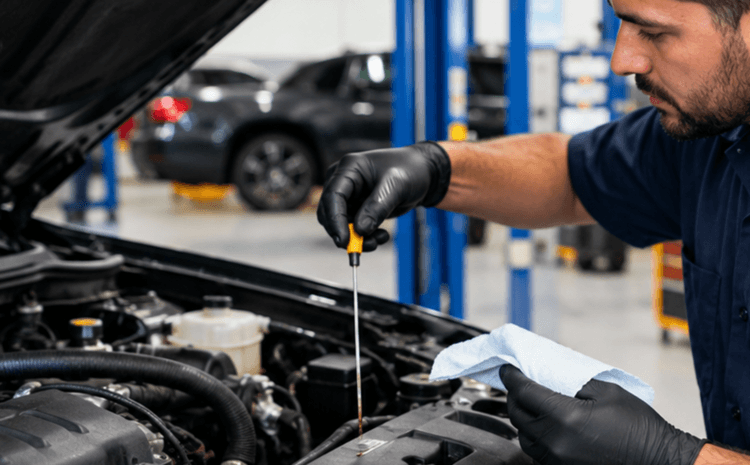
-Fluid inspection: The fluid level and condition are checked using the appropriate procedure for your vehicle.
-Transmission fluid replacement: The fluid is replaced when required by the maintenance schedule or when recommended based on the vehicle’s diagnosed needs.
-Filter replacement: The filter is replaced when the transmission design and manufacturer’s recommendations call for it.
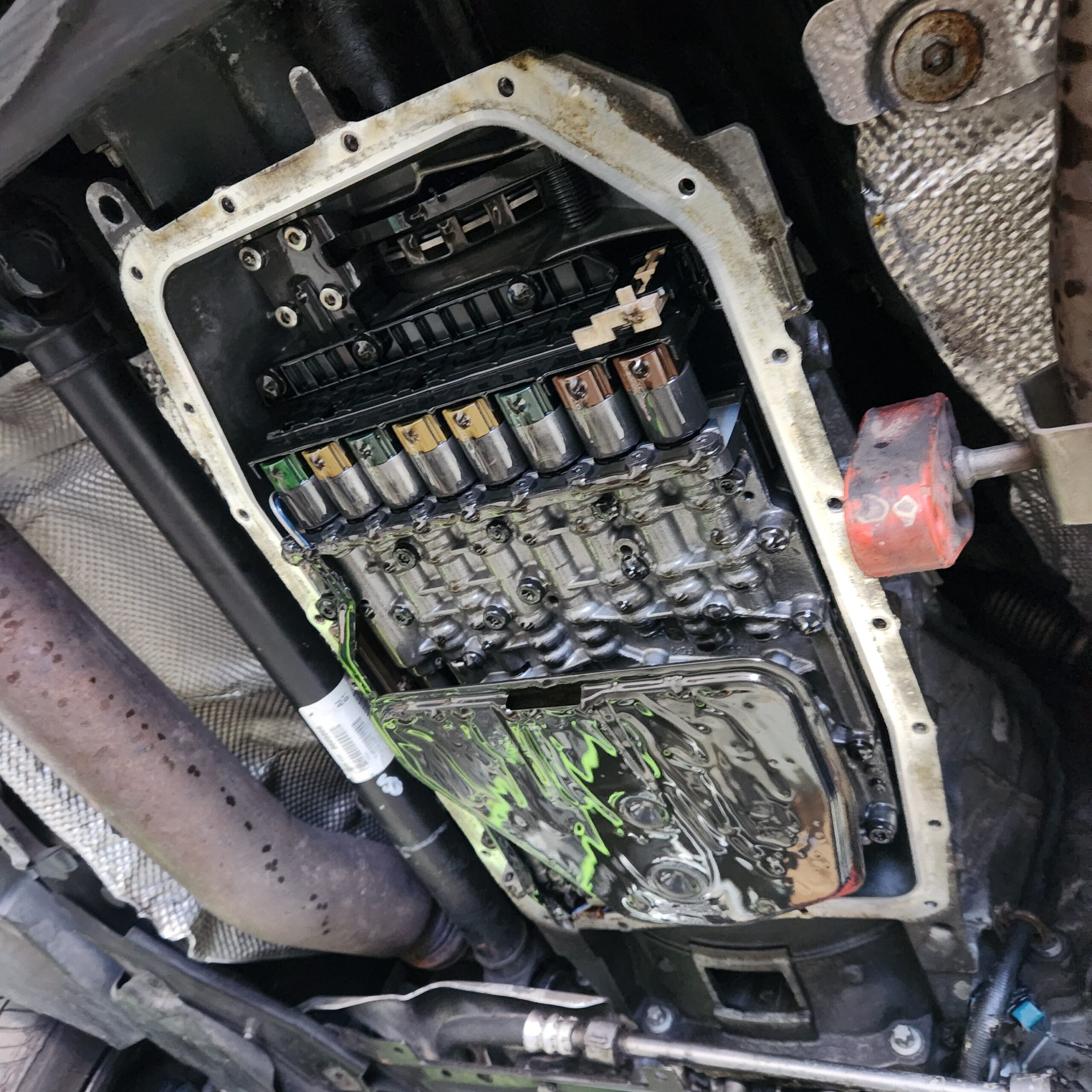
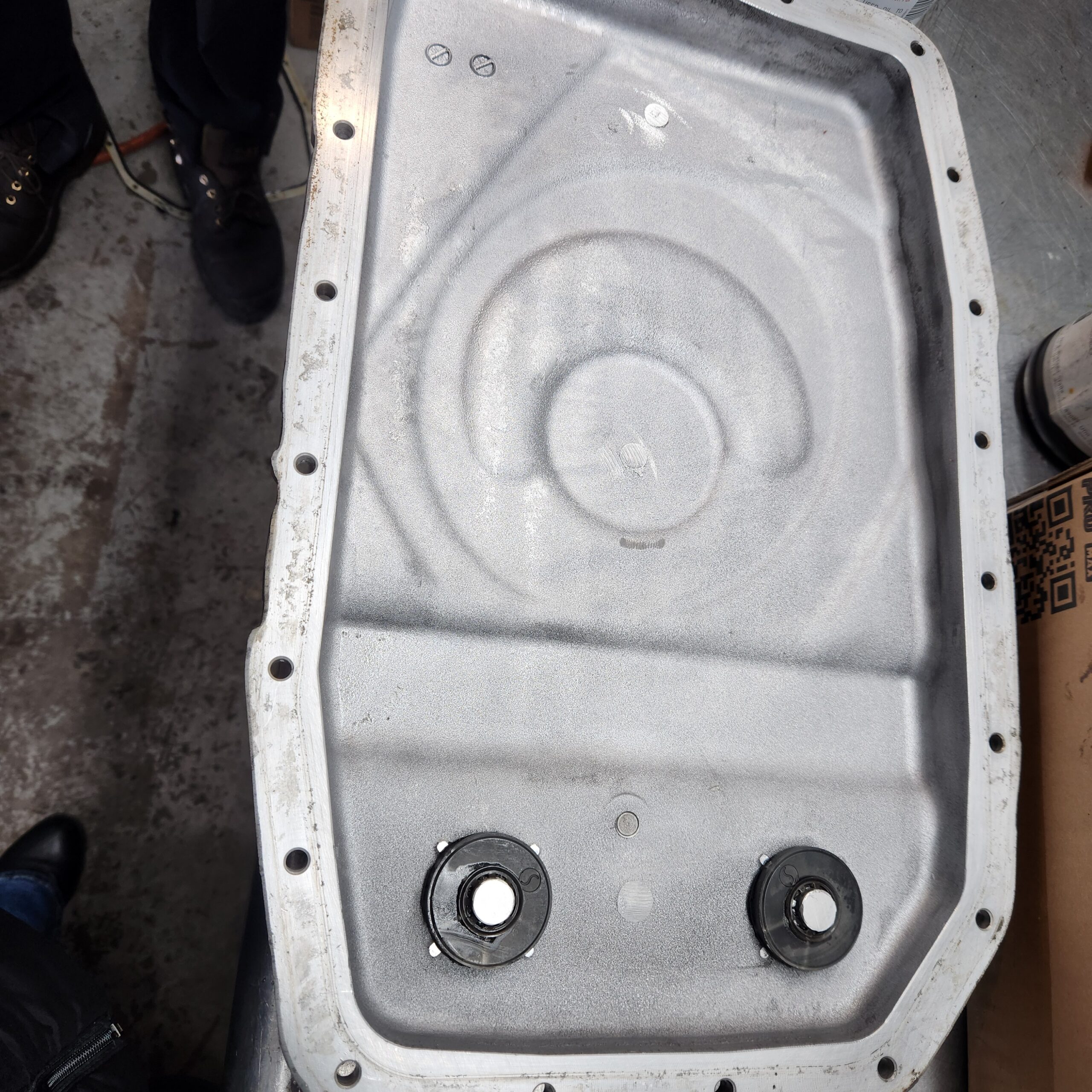
-Transmission pan inspection and cleaning: On vehicles where applicable, the transmission pan may be removed, inspected, and cleaned.
-Leak inspection: The vehicle is checked for fluid leaks and other visible issues.
Not every transmission service includes the same procedures. That is why it is important to confirm what your vehicle needs before having the work performed.
3. Should You Change the Transmission Fluid and Filter at the Same Time?
Not always, but both may be replaced during an automatic transmission service when recommended.
Transmission fluid helps lubricate internal components, transmit hydraulic pressure, and dissipate heat. Over time, its properties can deteriorate due to use and operating temperatures.
When a transmission has a replaceable filter, the filter helps trap particles and contaminants. Its maintenance requirements depend on the transmission design and the procedure established by the manufacturer.
What should you keep in mind?
-Use the type of fluid specified for your vehicle.
-Maintain the correct fluid level.
-Follow the proper service procedure.
-Confirm whether the filter needs replacement and whether it is accessible during maintenance.
Using the wrong fluid, maintaining an incorrect fluid level, or following an improper service procedure can affect transmission operation. For this reason, transmission service should not be based solely on a general mileage estimate.
4. What Are the Signs That Your Transmission Needs Attention?
Even if your vehicle has not yet reached its recommended maintenance interval, there are symptoms you should never ignore:
-Rough or delayed shifting: The vehicle takes longer than usual to shift gears or shifts irregularly.
-Slipping gears: Engine RPM increases without the expected acceleration.
-Fluid leaks: You notice fluid underneath your vehicle.
-Unusual noises: You hear whining, grinding, or clunking sounds during operation.
-Burning smell: This could indicate overheating or another problem.
-Warning lights: A dashboard warning appears that may be related to the transmission.
These symptoms do not necessarily mean that a fluid change alone will solve the problem. They may also be related to mechanical, hydraulic, or electronic issues.
If you notice any of these warning signs, schedule a professional inspection. If your vehicle loses the ability to move or develops severe symptoms, pull over to a safe location and request assistance.
5. What Happens If You Have Never Serviced Your Transmission?
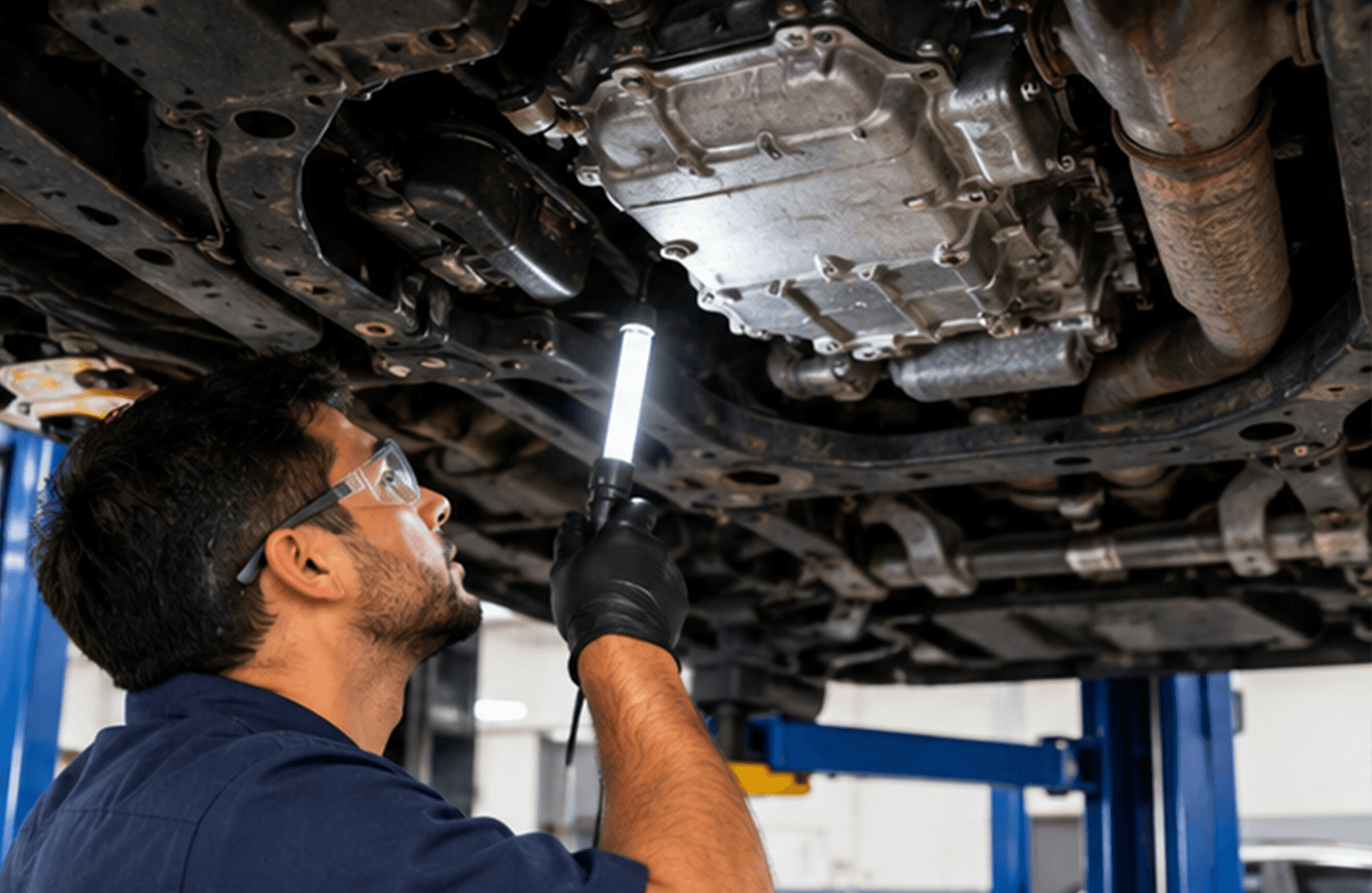
Neglecting maintenance can contribute to fluid deterioration and affect the protection and operation of internal components.
However, if you have recently purchased a used vehicle or do not know its maintenance history, that does not automatically mean the transmission is damaged.
The best approach is to review the vehicle’s service history, consult the manufacturer’s recommendations, and evaluate its condition before deciding which service to perform.
Remember: Changing the fluid does not guarantee a fix for a transmission that already has problems. First, it is necessary to determine whether the issue requires routine maintenance, diagnostic testing, or repair.
6. How Can You Take Care of Your Vehicle’s Transmission?
These habits can help you maintain a proper transmission maintenance schedule:
-Follow the recommended service intervals for your make and model.
-Use only transmission fluid that meets the required specifications.
-Pay attention to leaks, unusual noises, and changes in shifting.
-Tell your repair shop if you use your vehicle for towing or frequently drive under demanding conditions.
-Keep maintenance records so you know which services have already been performed.
Proper maintenance can help protect your transmission, although it cannot guarantee that a failure will never occur.
Need Transmission Service in Springfield, Virginia?
At VCNG Auto Repair, we provide automotive diagnostics, maintenance, and repair services in Springfield, Virginia.
If you need to check your transmission maintenance schedule, have questions about fluid and filter replacement, or have noticed unusual shifting, we can inspect your vehicle and help you determine the appropriate next steps.
VCNG Auto Repair
Address: 7952 Cameron Brown Ct, Springfield, VA 22153
Phone: 571-603-7873
Website: https://www.vcngautorepair.com/
Do not wait for a warning sign to develop into a more serious problem. Contact VCNG Auto Repair to discuss your vehicle’s maintenance needs and get guidance on the appropriate transmission service.