5 Common Reasons Your Check Engine Light Comes On (And What to Do)
Quick Answer: Why Is My Check Engine Light On?
Your check engine light may turn on because of a loose gas cap, a faulty oxygen sensor, worn spark plugs, an ignition coil problem, a mass airflow sensor issue, or a catalytic converter fault. A steady light usually means you should arrange a diagnostic inspection soon. A flashing light may indicate a serious engine misfire and requires immediate attention.
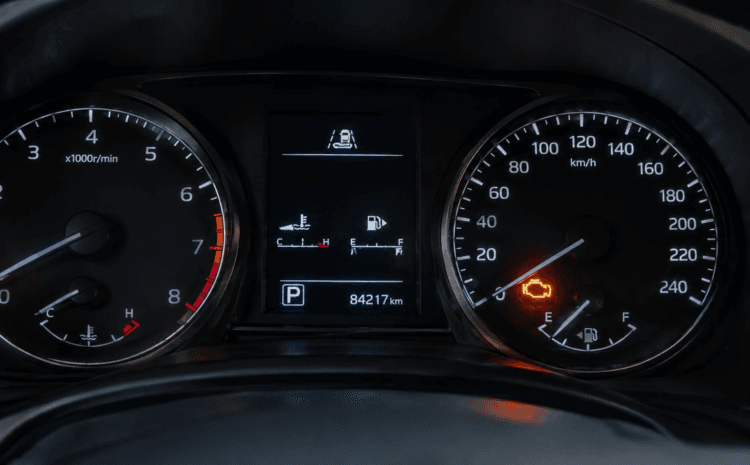
Seeing the check engine light appear on your dashboard can be stressful, especially when your vehicle seems to be running normally.
But what does it actually mean? Is it safe to keep driving, or could ignoring the warning lead to expensive repairs?
Your vehicle’s onboard diagnostic system monitors engine performance, emissions, and related components. When it detects certain problems, it may activate the check engine light.
Understanding the possible causes can help you decide what to do next.
1. What Are the Most Common Reasons for a Check Engine Light?
Here are five common issues that can trigger this warning:
| Possible Cause | Common Symptoms | Recommended Action |
|---|---|---|
| Loose or damaged gas cap | Check engine light, sometimes after refueling | Check the cap and its seal |
| Faulty oxygen sensor | Reduced fuel efficiency, possible performance issues | Have the sensor and related systems tested |
| Worn spark plugs or faulty ignition coils | Rough idle, misfires, hesitation | Schedule an ignition system diagnosis |
| Mass airflow sensor problem | Poor acceleration, rough idle, reduced power | Inspect the intake and airflow system |
| Catalytic converter problem | Reduced performance, emissions-related warning | Diagnose the underlying cause |
These symptoms are not unique to any one component. Diagnostic testing is needed to identify the actual problem.
Loose or Damaged Gas Cap
A loose, cracked, or improperly sealing gas cap can allow fuel vapors to escape from the evaporative emissions system.
What to do: Make sure the gas cap is properly tightened and inspect its seal for visible damage. If the warning remains on, another EVAP system problem may be present.
Faulty Oxygen Sensor
Oxygen sensors help the engine computer monitor exhaust oxygen levels and adjust fuel delivery.
A faulty sensor can affect fuel economy, emissions, and engine performance.
What to do: Have the sensor circuit and related engine systems tested before replacing the sensor.
Worn Spark Plugs or Ignition Coils
Spark plugs and ignition coils are essential to the ignition process in gasoline engines.
When they fail, the engine may misfire, hesitate, vibrate, or lose power.
What to do: Schedule an inspection. If the check engine light is flashing, stop driving as soon as it is safe and arrange assistance.
Mass Airflow Sensor Problems
The mass airflow sensor measures incoming air to help the engine computer calculate fuel delivery.
A sensor fault or another air intake problem may cause hesitation, rough idling, or poor acceleration.
What to do: Have the airflow system inspected rather than automatically replacing the sensor.
Catalytic Converter Problems
The catalytic converter helps reduce harmful exhaust emissions.
Its efficiency may decline because of internal damage, contamination, or unresolved engine problems.
What to do: Have the vehicle diagnosed to identify the underlying cause. Replacing the converter without addressing another contributing problem may lead to repeated failure.
2. Is It Safe to Drive With the Check Engine Light On?
The answer depends on whether the light is steady or flashing and how the vehicle is performing.
Steady Check Engine Light
If the light remains on continuously and the vehicle operates normally, you may be able to drive a short distance to a repair shop.
However, the warning should not be ignored. Arrange a diagnostic inspection promptly.
Flashing Check Engine Light
A flashing check engine light can indicate a severe engine misfire that may damage the catalytic converter.
If the light flashes, or the vehicle shakes severely, overheats, or loses significant power, pull over safely, shut off the engine when appropriate, and seek professional assistance.
3. What Should You Do When Your Check Engine Light Comes On?
Follow these practical steps:
Check your gas cap: Make sure it is properly secured.
Pay attention to symptoms: Notice unusual sounds, rough idling, shaking, or reduced power.
Check for other warnings: An overheating or oil pressure warning may require immediate action.
Avoid guessing which part to replace: Several different faults can produce similar symptoms.
Schedule a diagnostic inspection: A qualified technician can identify the problem and recommend appropriate repairs.
A diagnostic scanner retrieves stored trouble codes, but those codes do not always identify the exact failed component. Additional testing may be necessary.
4. Can a Check Engine Light Turn Off by Itself?
Yes. In some cases, the warning light may turn off after the vehicle’s computer no longer detects the condition that originally triggered it.
For example, a loose gas cap may cause a warning that disappears after the cap is properly secured and the vehicle completes the necessary monitoring cycles.
However, a light turning off does not always mean the underlying issue has been permanently resolved. Diagnostic information may remain stored.
5. Check Engine Light Diagnosis in Springfield, VA
If your check engine light is on, VCNG Auto Repair can help you identify the cause.
Our shop in Springfield, Virginia, provides automotive diagnostics and repair services for domestic, Asian, and European vehicles.
Our diagnostic services include:
- Check engine light diagnostics
- Engine misfire diagnosis
- Oxygen sensor testing
- EVAP system diagnostics
- Fuel system diagnostics
- Catalytic converter and emissions diagnostics
- Variable Valve Timing (VVT) diagnostics
- Electrical and engine performance diagnostics
We serve drivers in Springfield, Fairfax, Alexandria, Burke, Annandale, Lorton, and surrounding Northern Virginia communities.
VCNG Auto Repair
7952 Cameron Brown Ct, Springfield, VA 22153
Phone: 571-603-7873
Website: https://www.vcngautorepair.com/
Check Engine Light On? Let Us Find the Cause.
Schedule Your Diagnostic Appointment
Frequently Asked Questions About the Check Engine Light
Why is my check engine light on if my car runs fine?
Some emissions or engine management problems may activate the warning before noticeable driving symptoms appear. A diagnostic inspection can help identify the cause.
Can a loose gas cap cause the check engine light to come on?
Yes. An improperly sealing gas cap can trigger certain evaporative emissions system faults.
Does a check engine light always mean an expensive repair?
No. Some causes are relatively simple, while others require more extensive repairs. Diagnostic testing helps determine what is actually wrong.
Will disconnecting the battery fix the check engine light?
Disconnecting the battery may clear some stored information on certain vehicles, but it does not repair the underlying problem. The warning may return.
How long can I drive with a steady check engine light?
There is no universally safe distance. If the vehicle runs normally, arrange an inspection promptly. If severe symptoms or a flashing warning appear, stop driving safely and seek assistance.